The Truth About Processed Foods: What Nutrition Experts Want You to Know (2026 Guide)

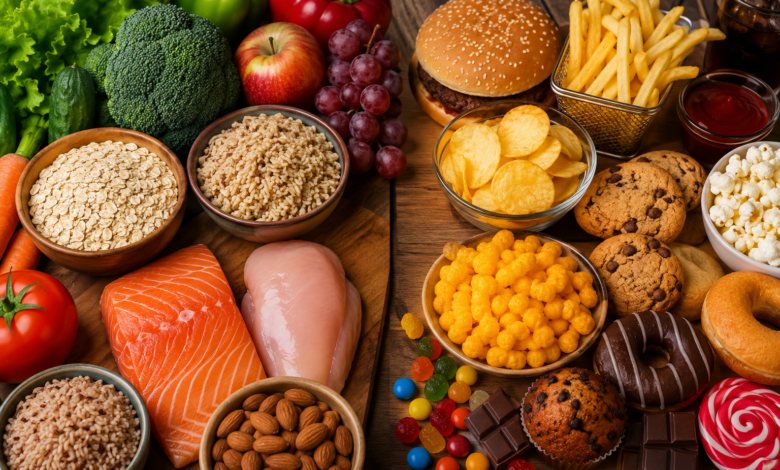
The Truth About Processed Foods
Processed foods often get a bad reputation. Many people assume that anything processed is unhealthy, but the reality is much more complex. In fact, some processed foods can be nutritious and convenient, while others are linked to health problems when eaten excessively.
Understanding the difference between minimally processed foods and ultra-processed foods can help you make smarter food choices without giving up convenience. Here’s what nutrition experts want everyone to know.
What Are Processed Foods?
A processed food is any food that has been changed from its natural state before reaching consumers. Processing can include:
- Washing
- Freezing
- Drying
- Cooking
- Pasteurizing
- Canning
- Packaging
- Adding preservatives or flavorings
By this definition, many healthy foods—including frozen vegetables, plain yogurt, canned beans, and whole-grain bread—are processed.
The key isn’t whether food is processed but how much it has been processed.
Types of Processed Foods
1. Minimally Processed Foods
These foods undergo little processing while keeping most of their nutritional value.
Examples include:
- Frozen fruits
- Frozen vegetables
- Brown rice
- Oats
- Plain yogurt
- Eggs
- Roasted nuts
- Milk
These foods can be part of a healthy daily diet.
2. Moderately Processed Foods
These contain a few added ingredients for taste or preservation.
Examples include:
- Cheese
- Whole-grain bread
- Canned tuna
- Peanut butter
- Pasta sauce
- Canned beans with low sodium
Many of these are healthy when chosen carefully.
3. Ultra-Processed Foods
Ultra-processed foods contain many industrial ingredients that are rarely used in home cooking.
Examples include:
- Sugary breakfast cereals
- Packaged cookies
- Soft drinks
- Candy
- Instant noodles
- Chips
- Processed meats
- Fast food
- Frozen pizza
These foods often contain:
- Excess sugar
- Refined carbohydrates
- High sodium
- Artificial flavors
- Preservatives
- Unhealthy fats
Why Are Ultra-Processed Foods a Concern?
Nutrition experts point to several reasons.
High in Added Sugar
Many processed foods contain hidden sugars that increase calorie intake without providing important nutrients.
Excess sugar consumption is associated with:
- Weight gain
- Type 2 diabetes
- Heart disease
- Tooth decay
Too Much Sodium
Packaged foods often contain large amounts of salt.
High sodium intake may contribute to:
- High blood pressure
- Increased stroke risk
- Kidney problems
Low in Nutrients
Many ultra-processed foods lose vitamins, minerals, and fiber during manufacturing.
Instead, they provide mostly calories with limited nutritional value.
Easy to Overeat
These foods are designed to taste highly appealing.
Their combination of sugar, fat, and salt may encourage people to eat larger portions than they need.
Are All Processed Foods Bad?
Absolutely not.
Nutrition experts emphasize that processing itself isn’t the problem.
Healthy processed foods include:
- Frozen vegetables
- Frozen berries
- Greek yogurt
- Whole-grain bread
- Canned salmon
- Canned beans
- Unsalted nuts
- Tofu
These foods offer convenience while still providing valuable nutrients.
How to Identify Healthier Processed Foods
When shopping, check the nutrition label.
Look for products that contain:
- Short ingredient lists
- Whole-food ingredients
- High fiber
- Moderate sodium
- Low added sugar
- Healthy fats
Avoid products where sugar is listed among the first few ingredients.
Smart Grocery Shopping Tips
Nutrition professionals recommend these habits:
Read Ingredient Lists
Choose foods with recognizable ingredients whenever possible.
Compare Nutrition Labels
Different brands may have very different amounts of:
- Sugar
- Sodium
- Saturated fat
- Fiber
Prioritize Whole Foods
Build meals around:
- Fruits
- Vegetables
- Whole grains
- Beans
- Lean protein
- Healthy fats
Processed foods can complement—not replace—these foods.
Don’t Fear Frozen Foods
Frozen fruits and vegetables are often frozen shortly after harvest, helping preserve nutrients.
They can be just as nutritious as fresh produce.
Healthier Alternatives to Common Ultra-Processed Foods
| Instead of | Try |
|---|---|
| Sugary cereal | Oatmeal with fruit |
| Potato chips | Air-popped popcorn |
| Soda | Sparkling water with lemon |
| Candy | Fresh fruit |
| Ice cream daily | Greek yogurt with berries |
| Instant noodles | Whole-grain noodles with vegetables |
| Packaged cookies | Homemade oatmeal cookies |
| Fast food burgers | Homemade grilled chicken sandwich |
Practical Tips for Eating Less Ultra-Processed Food
You don’t need to eliminate processed foods.
Instead:
- Cook at home more often.
- Keep healthy snacks available.
- Plan meals.
- Drink more water.
- Include vegetables with every meal.
- Choose whole grains over refined grains.
- Limit sugary beverages.
- Eat mindfully rather than while distracted.
Small changes over time are more sustainable than strict diets.
Common Myths About Processed Foods
Myth 1: All processed foods are unhealthy.
Fact: Many processed foods are nutritious and support a healthy diet.
Myth 2: Fresh foods are always healthier.
Fact: Frozen fruits and vegetables often contain similar nutrient levels as fresh produce.
Myth 3: Healthy eating means avoiding packaged foods.
Fact: Many packaged foods, such as oats, canned beans, and plain yogurt, are healthy choices.
Myth 4: Organic processed foods are always healthier.
Fact: Organic cookies, chips, and candy can still be high in sugar, fat, and calories.
Frequently Asked Questions
Are processed foods harmful every day?
Not necessarily. Healthy processed foods can be part of a balanced diet. The goal is to limit ultra-processed foods rather than avoid all processed foods.
Can processed foods cause weight gain?
Eating large amounts of ultra-processed foods may contribute to weight gain because they often contain excess calories, sugar, and unhealthy fats.
Are canned vegetables healthy?
Yes. Choose varieties with no added salt or rinse them before eating to reduce sodium.
Is frozen food nutritious?
Yes. Frozen fruits and vegetables retain many nutrients and are an excellent healthy option.
How much processed food is okay?
Most nutrition experts recommend building your diet primarily around whole and minimally processed foods while enjoying ultra-processed foods only occasionally.
Final Thoughts
The truth about processed foods is that not all processing is bad. Freezing, canning, and pasteurizing help preserve food, improve safety, and make healthy options more accessible. The real concern lies with ultra-processed foods, which are often high in added sugars, unhealthy fats, sodium, and artificial ingredients.
Rather than avoiding every packaged item, focus on choosing minimally processed foods, reading nutrition labels, and creating balanced meals centered on whole ingredients. By making informed choices, you can enjoy convenience without sacrificing your long-term health.