Social Media and Mental Health: Healthy Habits for a Balanced Digital Life

Social Media and Mental Health: Healthy Habits for a Balanced Digital Life
Social media has transformed the way we communicate, learn, and stay connected. Platforms like Facebook, Instagram, TikTok, X, and LinkedIn make it easier than ever to share experiences and interact with people around the world.
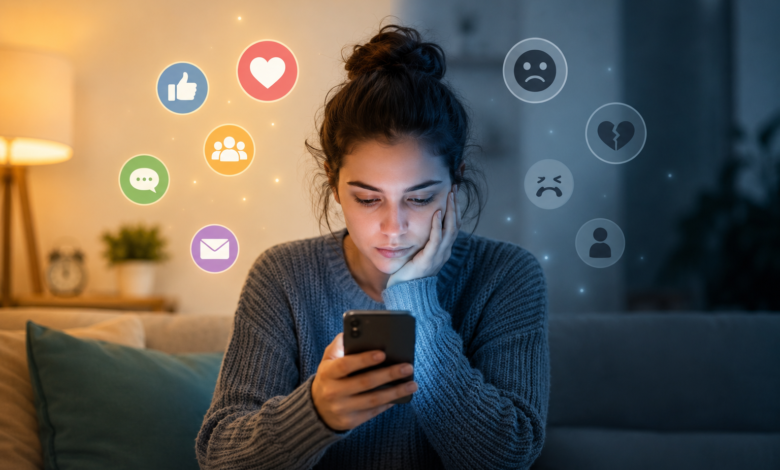
While social media offers many benefits, excessive or unhealthy use can negatively affect mental health. Constant scrolling, comparison, cyberbullying, and information overload may contribute to stress, anxiety, depression, and poor self-esteem.
The good news is that you don’t have to quit social media entirely. By developing healthy digital habits, you can enjoy its benefits while protecting your mental well-being.
How Social Media Affects Mental Health
Social media influences thoughts, emotions, and behaviors in different ways. The impact varies depending on how often you use it, the type of content you consume, and your personal circumstances.
For some people, social media creates a sense of community and support. For others, it becomes a source of stress and emotional exhaustion.
Finding a healthy balance is the key.
Positive Effects of Social Media
When used mindfully, social media can support mental wellness.
Benefits include:
- Staying connected with family and friends
- Finding supportive online communities
- Learning new skills
- Accessing mental health resources
- Discovering educational content
- Building professional networks
- Expressing creativity
Positive online interactions can reduce feelings of loneliness and encourage meaningful connections.
Negative Effects of Social Media
Spending too much time online may create emotional challenges.
Common negative effects include:
- Anxiety
- Depression
- Low self-esteem
- Stress
- Fear of Missing Out (FOMO)
- Poor sleep quality
- Reduced productivity
- Social comparison
These effects are more likely when social media replaces healthy real-life activities.
Signs Social Media Is Affecting Your Mental Health
You may have an unhealthy relationship with social media if you:
- Constantly check your phone
- Feel anxious without internet access
- Compare yourself to others frequently
- Lose sleep because of scrolling
- Feel worse after using social media
- Ignore family or friends while online
- Have difficulty focusing on work or school
- Spend more time online than planned
Recognizing these signs early can help you make positive changes.
Why Social Comparison Happens
People often share the highlights of their lives rather than their everyday struggles.
Comparing your real life to someone else’s carefully selected posts may lead to feelings of inadequacy, even though those posts rarely reflect reality.
Remember that social media usually shows the best moments, not the complete picture.
The Impact of Doomscrolling
Doomscrolling refers to the continuous consumption of negative news or upsetting content online.
This habit can increase:
- Stress
- Anxiety
- Emotional fatigue
- Feelings of hopelessness
Taking regular breaks from news feeds can help reduce emotional overload.
Healthy Social Media Habits
Developing healthier digital routines can improve your mental well-being.
Set Daily Time Limits
Decide how much time you want to spend on social media each day and use built-in screen time tools to stay within your limit.
Follow Positive Accounts
Choose content that inspires, educates, or motivates you.
Unfollow accounts that make you feel stressed, anxious, or inadequate.
Avoid Using Social Media Before Bed
Blue light and emotional stimulation can interfere with sleep.
Try putting your phone away at least one hour before bedtime.
Turn Off Unnecessary Notifications
Constant alerts interrupt your focus and encourage frequent checking.
Disable notifications that aren’t essential.
Schedule Digital Breaks
Spend time away from your devices by:
- Going for a walk
- Reading a book
- Exercising
- Spending time outdoors
- Talking with family and friends
Even short breaks can improve your mood.
Be Mindful While Scrolling
Before opening an app, ask yourself why you’re using it.
Are you looking for information, connecting with friends, or simply scrolling out of habit?
Mindful use helps reduce unnecessary screen time.
Helping Teenagers Build Healthy Digital Habits
Parents can encourage healthy social media use by:
- Setting reasonable screen time limits
- Discussing online safety
- Encouraging offline hobbies
- Having device-free family time
- Leading by example
Open communication helps children develop healthier digital habits.
Can Social Media Improve Mental Health?
Yes.
When used intentionally, social media can:
- Provide emotional support
- Connect people with similar experiences
- Reduce loneliness
- Increase awareness of mental health topics
- Offer educational resources
- Encourage positive lifestyle changes
The quality of your online experience matters more than the amount of time spent online.
Tips for Maintaining Digital Balance
Try these simple habits:
- Take one screen-free hour each day
- Avoid checking your phone immediately after waking up
- Spend more time with people in person
- Practice gratitude instead of comparison
- Prioritize sleep and physical activity
- Create technology-free zones at home
Small daily changes often lead to lasting improvements.
When to Seek Professional Support
If social media contributes to persistent anxiety, depression, loneliness, or emotional distress that interferes with daily life, consider speaking with a licensed mental health professional.
Professional guidance can help you build healthier coping strategies and improve your overall well-being.
Frequently Asked Questions
Does social media cause anxiety?
Social media itself doesn’t always cause anxiety, but excessive use, social comparison, cyberbullying, and constant exposure to negative content may increase anxiety for some individuals.
How many hours of social media is considered healthy?
There is no universal limit, but many experts recommend using social media intentionally rather than mindlessly. Monitoring your own mood and productivity is often more helpful than focusing only on screen time.
Is taking a social media break beneficial?
Yes. Even a short break of a few days can reduce stress, improve focus, and help reset unhealthy habits.
Can social media affect sleep?
Yes. Using social media late at night can delay sleep, reduce sleep quality, and make it harder to fall asleep.
Final Thoughts
Social media is neither entirely good nor entirely bad—it depends on how you use it. While these platforms can help you stay connected, learn new skills, and find supportive communities, excessive use can contribute to stress, anxiety, poor sleep, and lower self-esteem.
By setting healthy boundaries, following positive content, limiting screen time, and prioritizing real-life relationships, you can build a healthier relationship with social media. If you notice that online activity is negatively affecting your mental health, taking a break or seeking professional support can be an important step toward improving your overall well-being.