
Iron Deficiency in Women: Symptoms, Causes, Foods, and Prevention
Iron is an essential mineral that helps your body produce hemoglobin, a protein in red blood cells that carries oxygen throughout the body. Without enough iron, your body cannot produce healthy red blood cells efficiently, leading to iron deficiency and, in some cases, iron deficiency anemia.
Women are more likely than men to develop iron deficiency due to menstruation, pregnancy, and increased iron needs during different stages of life. Recognizing the symptoms early can help prevent complications and improve your overall health.
This guide explains the symptoms, causes, diagnosis, treatment, and prevention of iron deficiency in women.
What Is Iron Deficiency?
Iron deficiency occurs when the body’s iron stores become too low to meet its needs. If left untreated, it may progress to iron deficiency anemia, a condition in which the body cannot produce enough healthy red blood cells.
Iron is necessary for:
- Carrying oxygen throughout the body
- Supporting energy production
- Maintaining healthy muscles
- Supporting brain function
- Helping the immune system work properly
Common Symptoms of Iron Deficiency in Women
Symptoms often develop gradually and may become more noticeable over time.
Common signs include:
- Constant fatigue
- Weakness
- Pale skin
- Shortness of breath
- Dizziness
- Frequent headaches
- Cold hands and feet
- Rapid heartbeat
- Difficulty concentrating
- Brittle nails
- Hair loss
- Restless legs, especially at night
Some women may have mild iron deficiency without obvious symptoms.
Why Women Are More Likely to Develop Iron Deficiency
Women have unique health factors that increase their iron requirements.
These include:
Menstrual Blood Loss
Heavy menstrual periods are one of the most common causes of iron deficiency in women.
Pregnancy
During pregnancy, the body needs more iron to support the developing baby and increased blood volume.
Breastfeeding
Although iron needs vary during breastfeeding, some women may still have low iron stores after pregnancy.
Restricted Diets
Vegetarian or vegan diets can provide adequate iron, but careful meal planning is often necessary because plant-based iron is less easily absorbed than iron from animal foods.
Other Causes of Iron Deficiency
Iron deficiency may also result from:
- Poor dietary intake
- Digestive disorders that reduce nutrient absorption
- Frequent blood donation
- Gastrointestinal bleeding
- Certain medications
- Intense endurance exercise
A healthcare provider can determine the underlying cause.
Risk Factors
You may have a higher risk if you:
- Have heavy menstrual periods
- Are pregnant
- Recently gave birth
- Follow a restrictive diet
- Have digestive conditions such as celiac disease or inflammatory bowel disease
- Donate blood regularly
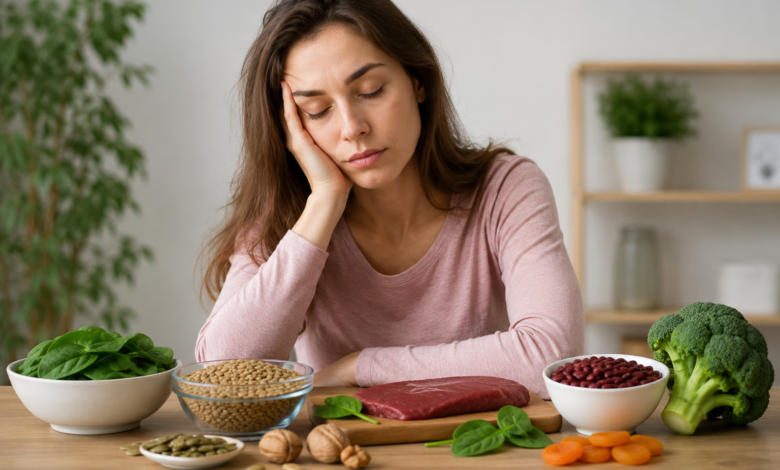
Iron-Rich Foods
Eating iron-rich foods is one of the best ways to support healthy iron levels.
Animal Sources (Heme Iron)
These are more easily absorbed by the body.
Examples include:
- Lean beef
- Chicken
- Turkey
- Liver
- Fish
- Shellfish
Plant Sources (Non-Heme Iron)
Good plant-based options include:
- Spinach
- Lentils
- Beans
- Chickpeas
- Tofu
- Pumpkin seeds
- Quinoa
- Fortified breakfast cereals
How to Improve Iron Absorption
Vitamin C helps the body absorb iron more effectively.
Pair iron-rich foods with:
- Oranges
- Strawberries
- Bell peppers
- Tomatoes
- Broccoli
- Kiwi
Try to avoid drinking tea or coffee with iron-rich meals, as they can reduce iron absorption in some people.
How Iron Deficiency Is Diagnosed
A healthcare provider may recommend:
- Medical history review
- Physical examination
- Complete blood count (CBC)
- Ferritin blood test
- Iron studies
- Additional testing if blood loss is suspected
Proper diagnosis helps determine the best treatment plan.
Treatment Options
Treatment depends on the severity and underlying cause.
Options may include:
- Iron-rich diet
- Oral iron supplements
- Treating the underlying cause of blood loss
- Intravenous (IV) iron for certain cases
Only take iron supplements under medical guidance, as excessive iron intake can be harmful.
Tips to Prevent Iron Deficiency
Healthy habits include:
- Eating a balanced diet with iron-rich foods
- Including vitamin C with meals
- Managing heavy menstrual bleeding with medical advice
- Attending regular health checkups
- Following prenatal care recommendations during pregnancy
- Taking supplements only if recommended by your healthcare provider
When Should You See a Doctor?
Seek medical advice if you experience:
- Persistent fatigue
- Frequent dizziness
- Pale skin
- Shortness of breath
- Heavy menstrual bleeding
- Symptoms that continue despite dietary improvements
Early diagnosis can help prevent iron deficiency anemia and improve your quality of life.
Frequently Asked Questions
Can iron deficiency cause hair loss?
Yes. Iron deficiency may contribute to hair thinning or increased hair shedding in some individuals.
Can I get enough iron from food alone?
Many people can maintain healthy iron levels through diet, but some women may require supplements depending on their individual needs.
Is iron deficiency common during pregnancy?
Yes. Pregnancy increases the body’s iron requirements, making iron deficiency more common if nutritional needs are not met.
Can too much iron be harmful?
Yes. Excess iron can be dangerous. Never take iron supplements unless they are recommended by a healthcare professional.
Final Thoughts
Iron deficiency is one of the most common nutritional deficiencies affecting women worldwide. Because symptoms often develop gradually, they can be easy to overlook until they begin affecting daily life.
Eating a balanced diet rich in iron, improving iron absorption with vitamin C, and seeking medical advice when symptoms appear can help maintain healthy iron levels. If you experience persistent fatigue, dizziness, heavy menstrual bleeding, or other signs of iron deficiency, consult a qualified healthcare professional for proper testing and treatment.