
Early Signs of Hormonal Imbalance in Women: Symptoms, Causes, and Treatment

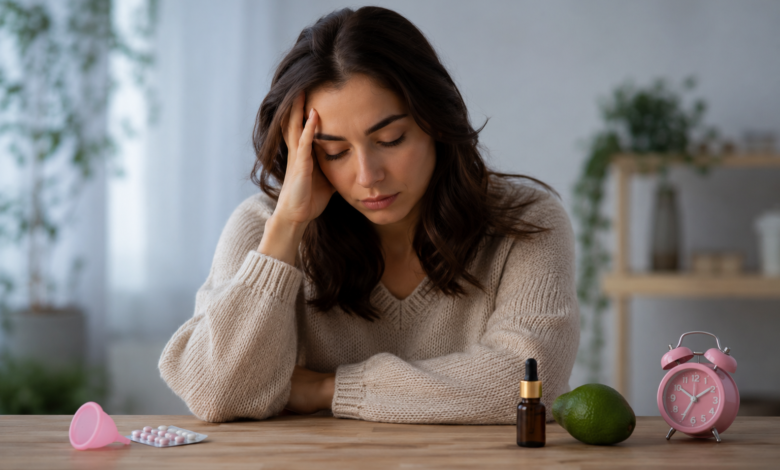
Early Signs of Hormonal Imbalance in Women: Symptoms, Causes, and Treatment
Hormones are chemical messengers that regulate many essential functions in the body, including metabolism, mood, sleep, reproduction, and energy levels. When hormone levels become too high or too low, they can affect both physical and emotional health.
Hormonal changes are a natural part of life, especially during puberty, pregnancy, and menopause. However, ongoing hormonal imbalances may lead to symptoms that interfere with daily life and should not be ignored.
In this guide, you’ll learn the early signs of hormonal imbalance in women, possible causes, treatment options, and healthy lifestyle habits that can help support hormone health.
What Is Hormonal Imbalance?
Hormonal imbalance occurs when the body produces too much or too little of one or more hormones. Even small changes can have noticeable effects because hormones work together to regulate many body systems.
Some hormonal fluctuations are temporary, while others may require medical evaluation and treatment.
Common Hormones That Affect Women’s Health
Several hormones play important roles in the female body, including:
- Estrogen
- Progesterone
- Testosterone
- Thyroid hormones
- Insulin
- Cortisol
An imbalance in any of these hormones can contribute to a variety of symptoms.
Early Signs of Hormonal Imbalance in Women
Symptoms vary depending on which hormones are affected, but common early warning signs include:
Irregular Menstrual Periods
Changes in your menstrual cycle, such as missed periods, unusually heavy bleeding, or shorter or longer cycles, may indicate hormonal changes.
Unexplained Weight Changes
Difficulty losing weight, sudden weight gain, or unexpected weight loss may sometimes be linked to hormone imbalances affecting metabolism.
Persistent Fatigue
Feeling tired even after getting enough sleep can be associated with hormone-related conditions, including thyroid disorders.
Mood Changes
Hormonal fluctuations may contribute to:
- Anxiety
- Irritability
- Mood swings
- Feeling unusually emotional
- Difficulty concentrating
Acne and Skin Changes
Persistent acne, especially around the jawline or chin, may be linked to hormonal changes.
Some women also notice oily skin or changes in skin texture.
Hair Thinning or Excess Hair Growth
Hormonal imbalance may cause:
- Hair loss
- Thinning hair
- Increased facial hair
- Excess body hair
Sleep Problems
Difficulty falling asleep, waking frequently during the night, or poor-quality sleep may sometimes be related to hormonal changes.
Low Sex Drive
Changes in hormone levels can affect sexual desire and overall intimacy.
Common Causes of Hormonal Imbalance
Several factors can affect hormone production.
Common causes include:
- Polycystic ovary syndrome (PCOS)
- Thyroid disorders
- Pregnancy
- Menopause
- Perimenopause
- Chronic stress
- Diabetes
- Certain medications
- Eating disorders
- Excessive exercise
A healthcare professional can help identify the underlying cause.
Risk Factors
Some women may have a higher risk of developing hormonal imbalances due to:
- Family history
- Obesity
- Chronic stress
- Poor sleep
- Smoking
- Aging
- Certain medical conditions
How Hormonal Imbalance Is Diagnosed
A healthcare provider may recommend:
- Medical history review
- Physical examination
- Blood tests
- Thyroid function tests
- Ultrasound (when appropriate)
- Additional hormone testing if needed
Early diagnosis can help prevent complications.
Treatment Options
Treatment depends on the underlying cause and the specific hormones involved.
Possible treatments include:
- Hormone therapy
- Medications for thyroid disorders
- Treatment for PCOS
- Lifestyle modifications
- Nutritional counseling
- Stress management
- Regular medical monitoring
Always follow your healthcare provider’s recommendations.
Lifestyle Tips to Support Hormone Health
Healthy daily habits can help support hormone balance.
Eat a Balanced Diet
Choose nutrient-rich foods such as:
- Fruits
- Vegetables
- Whole grains
- Lean protein
- Healthy fats
- Nuts and seeds
Limit highly processed foods and sugary drinks.
Exercise Regularly
Aim for at least 150 minutes of moderate physical activity each week.
Walking, swimming, cycling, and strength training all support overall health.
Manage Stress
Long-term stress may increase cortisol levels.
Helpful stress-management techniques include:
- Meditation
- Yoga
- Deep breathing
- Spending time outdoors
- Journaling
Prioritize Sleep
Adults generally need 7–9 hours of quality sleep each night.
A consistent sleep schedule supports healthy hormone regulation.
Stay Hydrated
Drinking enough water supports many important body functions and overall health.
When Should You See a Doctor?
Schedule a medical evaluation if you experience:
- Irregular menstrual cycles
- Severe fatigue
- Persistent acne
- Rapid weight changes
- Hair loss
- Difficulty becoming pregnant
- Severe mood changes
- Symptoms lasting several months
Prompt medical attention can help identify the cause and begin appropriate treatment.
Frequently Asked Questions
Can hormonal imbalance go away naturally?
Some temporary hormonal changes resolve on their own, while others require medical treatment depending on the underlying cause.
Can stress cause hormonal imbalance?
Yes. Chronic stress may affect cortisol and other hormones, contributing to physical and emotional symptoms.
Can diet improve hormone health?
A nutritious diet supports overall health and may help maintain normal hormone function, although diet alone cannot treat every hormonal condition.
Is hormonal imbalance common?
Yes. Many women experience hormonal changes at different stages of life, including puberty, pregnancy, and menopause.
Final Thoughts
Hormonal imbalance in women can affect energy, mood, sleep, weight, menstrual cycles, and overall quality of life. Recognizing the early warning signs allows you to seek medical advice before symptoms become more serious.
Maintaining a balanced diet, exercising regularly, managing stress, and getting enough sleep can support healthy hormone function. If symptoms persist or interfere with your daily activities, consult a qualified healthcare professional for an accurate diagnosis and personalized treatment plan.