Balanced Diet for Weight Loss: A Simple Guide to Eating Healthy Without Counting Calories

Balanced Diet for Weight Loss: A Simple Guide to Eating Healthy Without Counting Calories
Many people believe that losing weight requires strict calorie counting, food tracking apps, and complicated meal plans. While calorie awareness can be helpful, it isn’t the only path to success.
For many individuals, constantly tracking every bite can feel overwhelming and difficult to maintain. A simpler and more sustainable approach is learning how to build a balanced plate. By focusing on nutritious foods and proper portions, you can support healthy weight loss without obsessing over numbers.
This guide explains how to create balanced meals that help you stay satisfied, energized, and on track with your weight-loss goals.
What Is a Balanced Plate?
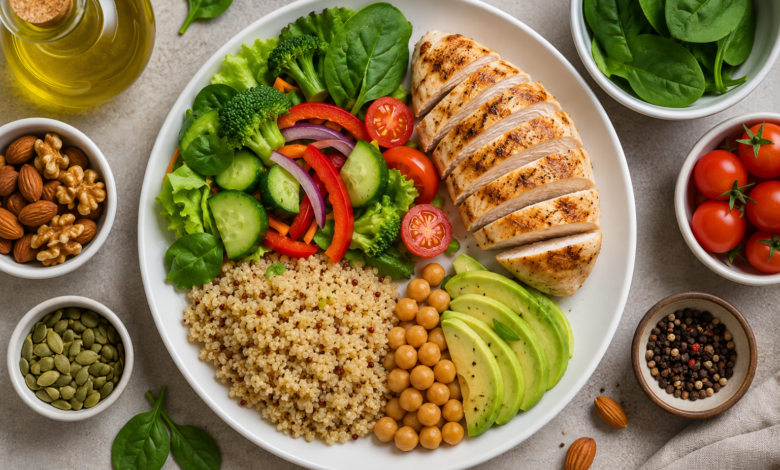
A balanced plate contains the right combination of protein, vegetables, healthy fats, and complex carbohydrates. This combination helps your body get essential nutrients while keeping hunger under control.
Instead of asking, “How many calories are in this meal?” ask yourself, “Does this plate provide balance and nutrition?”
When meals contain the right mix of nutrients, you’re more likely to feel full for longer and less likely to reach for unhealthy snacks.
The Simple Balanced Plate Method
A practical way to build meals is by dividing your plate into sections.
Half Your Plate: Non-Starchy Vegetables
Vegetables are naturally low in calories and rich in fiber, vitamins, and minerals.
Examples include:
- Broccoli
- Spinach
- Cucumbers
- Bell peppers
- Tomatoes
- Cauliflower
- Green beans
- Lettuce
Vegetables add volume to meals, helping you feel satisfied without overeating.
One-Quarter of Your Plate: Lean Protein
Protein is one of the most important nutrients for weight loss because it helps preserve muscle and keeps you feeling full.
Healthy protein sources include:
- Chicken breast
- Fish
- Eggs
- Greek yogurt
- Turkey
- Tofu
- Lentils
- Beans
Including protein in every meal can reduce cravings and support long-term weight management.
One-Quarter of Your Plate: Healthy Carbohydrates
Carbohydrates often get a bad reputation, but your body needs them for energy.
Focus on nutrient-rich options such as:
- Brown rice
- Quinoa
- Oats
- Sweet potatoes
- Whole-grain bread
- Whole-wheat pasta
These foods contain fiber, which helps slow digestion and keeps you satisfied.
Don’t Forget Healthy Fats
Healthy fats play an important role in hormone production and overall health.
Good sources include:
- Avocados
- Nuts
- Seeds
- Olive oil
- Nut butters
A small serving can improve meal satisfaction and help you stay full longer.
Why This Method Works for Weight Loss
Many weight-loss plans fail because they rely on restriction. People often feel hungry, deprived, and frustrated.
The balanced plate method works because it focuses on nourishment rather than deprivation.
Benefits Include:
- Less hunger between meals
- Better portion awareness
- Stable energy levels
- Reduced cravings
- Easier long-term consistency
Weight loss is often easier when healthy eating becomes a habit rather than a temporary diet.
Sample Balanced Breakfast
A balanced breakfast might include:
- Scrambled eggs
- Whole-grain toast
- Sliced avocado
- Fresh berries
This combination provides protein, healthy fats, fiber, and carbohydrates to start the day strong.
Sample Balanced Lunch
Try:
- Grilled chicken breast
- Mixed green salad
- Quinoa
- Olive oil dressing
This meal offers plenty of nutrients while helping you stay full throughout the afternoon.
Sample Balanced Dinner
A simple dinner could include:
- Baked salmon
- Roasted broccoli
- Sweet potato
- Side salad
This meal supports recovery, provides quality protein, and delivers important vitamins and minerals.
Smart Snacking Tips
Snacks can fit into a healthy weight-loss plan when chosen wisely.
Healthy options include:
- Greek yogurt with berries
- Apple slices with peanut butter
- Mixed nuts
- Cottage cheese
- Carrot sticks with hummus
Choose snacks that combine protein and fiber for maximum satisfaction.
Common Mistakes to Avoid
Skipping Meals
Skipping meals often leads to excessive hunger later in the day, increasing the likelihood of overeating.
Avoiding Entire Food Groups
Completely eliminating carbohydrates or fats can make healthy eating difficult to maintain.
Eating Too Quickly
It takes time for your body to recognize fullness. Slowing down during meals can help prevent overeating.
Drinking Your Calories
Sugary drinks can add significant calories without providing much satisfaction. Water remains the best choice for hydration.
Additional Habits That Support Weight Loss
Building a balanced plate works even better when combined with healthy lifestyle habits.
Consider:
- Getting enough sleep
- Managing stress levels
- Staying physically active
- Drinking plenty of water
- Practicing mindful eating
These habits support overall health and make sustainable weight loss more achievable.
Conclusion
You don’t need to count every calorie to lose weight successfully. Learning how to build a balanced plate can help you make healthier choices, control portions naturally, and feel satisfied after meals.
By filling half your plate with vegetables, including lean protein, choosing quality carbohydrates, and adding healthy fats, you can create meals that support both weight loss and long-term health.
The goal isn’t perfection—it’s consistency. Small, balanced choices made every day can lead to lasting results and a healthier relationship with food.