
10 Nutrient-Dense Foods You Should Add to Your Diet in 2026
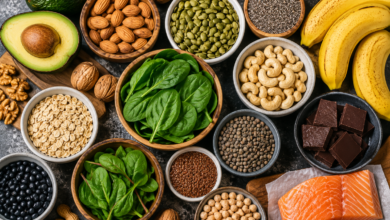
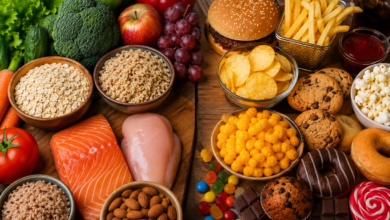
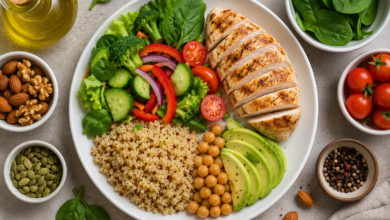
When it comes to healthy eating, it’s not just about counting calories—it’s about choosing foods that provide the most nutrition for your body. Nutrient-dense foods are packed with vitamins, minerals, protein, healthy fats, and antioxidants while being relatively low in added sugars and unhealthy fats.
In 2026, more people are focusing on food quality rather than strict dieting. By adding nutrient-rich foods to your daily meals, you can support your energy levels, immune system, heart health, and overall well-being.
Here are 10 nutrient-dense foods that deserve a place on your plate this year.
1. Salmon
Salmon is one of the most nutritious foods available. It is rich in high-quality protein and omega-3 fatty acids, which support heart and brain health.
Benefits of Salmon
- Supports cardiovascular health
- Helps reduce inflammation
- Provides vitamin D and B vitamins
- Promotes healthy skin and hair
Try grilling salmon, adding it to salads, or enjoying it with roasted vegetables for a balanced meal.
2. Eggs
Eggs are affordable, versatile, and packed with essential nutrients. They contain protein, choline, vitamin B12, and healthy fats.
Why Eggs Are a Nutritional Powerhouse
- Excellent source of complete protein
- Supports brain function
- Helps keep you full longer
- Easy to include in any meal
Whether boiled, scrambled, or poached, eggs can be part of a healthy diet.
3. Blueberries
Blueberries are small but loaded with antioxidants that help protect the body from oxidative stress.
Health Benefits
- Rich in vitamin C
- Supports memory and brain health
- May help improve heart health
- Low in calories
Add blueberries to smoothies, oatmeal, yogurt, or enjoy them as a healthy snack.
4. Spinach
Spinach is one of the most nutrient-dense leafy greens you can eat.
Nutrients Found in Spinach
- Iron
- Vitamin K
- Vitamin A
- Folate
- Magnesium
Fresh spinach works well in salads, smoothies, soups, and stir-fries.
5. Greek Yogurt
Greek yogurt offers more protein than traditional yogurt and contains beneficial probiotics.
Why You Should Eat Greek Yogurt
- Supports gut health
- Helps build and maintain muscle
- Provides calcium for strong bones
- Keeps you feeling satisfied
Choose plain varieties and add fresh fruit for natural sweetness.
6. Sweet Potatoes
Sweet potatoes are rich in fiber and vitamin A, making them an excellent addition to a healthy eating plan.
Key Benefits
- Supports eye health
- Provides steady energy
- Contains powerful antioxidants
- Helps digestive health
Bake, roast, or mash them for a nutritious side dish.
7. Nuts and Seeds
Almonds, walnuts, chia seeds, and flaxseeds provide healthy fats, protein, and fiber.
Nutritional Advantages
- Supports heart health
- Helps control hunger
- Provides essential minerals
- Easy portable snack
A small handful daily can contribute significantly to overall nutrition.
8. Avocados
Avocados contain heart-healthy monounsaturated fats and a variety of important nutrients.
Health Benefits
- Supports healthy cholesterol levels
- Rich in potassium
- Promotes satiety
- Enhances nutrient absorption
Enjoy avocados in salads, sandwiches, or homemade guacamole.
9. Lentils
Lentils are an excellent plant-based source of protein and fiber.
Why Lentils Are Worth Adding to Your Diet
- Budget-friendly
- Supports digestive health
- Helps maintain stable blood sugar levels
- Rich in iron and folate
They work well in soups, stews, and salads.
10. Broccoli
Broccoli is packed with vitamins, minerals, and compounds that support long-term health.
Nutritional Highlights
- High in vitamin C
- Supports immune function
- Contains fiber
- Rich in antioxidants
Steamed, roasted, or stir-fried broccoli can complement almost any meal.
Simple Tips to Eat More Nutrient-Dense Foods
Making healthier food choices doesn’t have to be complicated. Start with small changes:
- Add vegetables to every meal.
- Replace sugary snacks with fruit and nuts.
- Choose whole foods whenever possible.
- Include protein with each meal.
- Drink plenty of water throughout the day.
Consistency matters more than perfection. Even small improvements can make a meaningful difference over time.
Conclusion
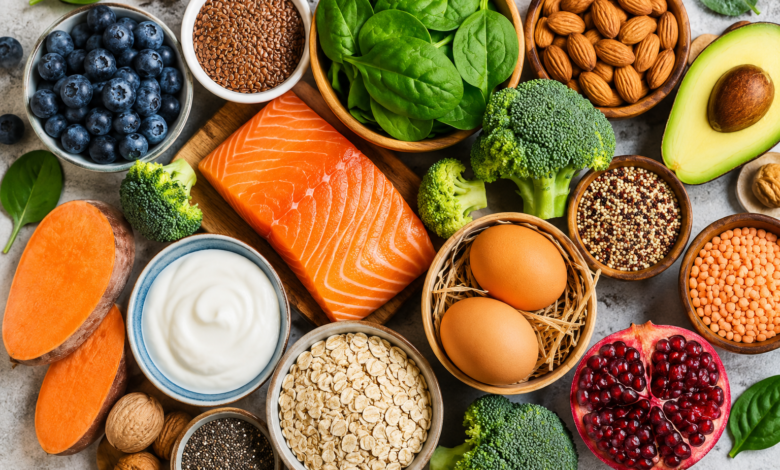
The best diet is one that nourishes your body while fitting your lifestyle. Nutrient-dense foods like salmon, eggs, blueberries, spinach, Greek yogurt, sweet potatoes, nuts, avocados, lentils, and broccoli provide essential nutrients that support overall health.
Instead of focusing on restrictive eating plans, aim to fill your plate with foods that deliver the most nutritional value. Your body will thank you with better energy, improved health, and greater well-being throughout 2026 and beyond.