

Early Warning Signs of High Blood Pressure You Should Never Ignore
High blood pressure, also known as hypertension, is often called the “silent killer” because it usually develops without noticeable symptoms. Many people don’t realize they have high blood pressure until it has already damaged the heart, brain, kidneys, or blood vessels.
Recognizing the early warning signs of high blood pressure and understanding your risk factors can help you seek medical care sooner and reduce the risk of serious health complications.
In this guide, you’ll learn about the possible symptoms, causes, risk factors, diagnosis, treatment options, and lifestyle changes that support healthy blood pressure.
What Is High Blood Pressure?
Blood pressure is the force of blood pushing against the walls of your arteries. It naturally rises and falls throughout the day, but consistently elevated readings can strain your heart and blood vessels.
Over time, uncontrolled high blood pressure increases the risk of:
- Heart disease
- Stroke
- Kidney disease
- Vision problems
- Heart failure
- Cognitive decline
Because it often causes no symptoms, regular blood pressure checks are essential.
Early Warning Signs of High Blood Pressure
Most people with high blood pressure have no obvious symptoms, even when readings are dangerously high. However, some individuals may experience warning signs that deserve medical attention.
Possible symptoms include:
1. Frequent Headaches
Persistent or severe headaches, particularly if accompanied by very high blood pressure, may require prompt medical evaluation.
2. Dizziness
Occasional dizziness has many possible causes, but persistent dizziness should not be ignored, especially if combined with other concerning symptoms.
3. Blurred Vision
High blood pressure can damage the tiny blood vessels in the eyes, sometimes leading to blurred or reduced vision.
4. Shortness of Breath
Difficulty breathing during routine activities may occur when high blood pressure affects heart function or is associated with other cardiovascular conditions.
5. Chest Pain
Chest discomfort is a medical emergency if it is severe, persistent, or accompanied by symptoms such as shortness of breath, sweating, or pain spreading to the arm or jaw. Seek immediate emergency care.
6. Nosebleeds
Although most nosebleeds are unrelated to hypertension, recurrent nosebleeds combined with very high blood pressure should be assessed by a healthcare professional.
7. Fatigue
Ongoing tiredness or reduced energy may have many causes. If it occurs alongside other symptoms or cardiovascular risk factors, it is worth discussing with your doctor.
8. Irregular Heartbeat
Heart palpitations or an irregular heartbeat can have various causes and should be evaluated, especially if they are new or persistent.
Risk Factors for High Blood Pressure
Several factors increase the likelihood of developing hypertension:
- Age
- Family history
- Overweight or obesity
- Physical inactivity
- Smoking
- Excessive alcohol intake
- High-sodium diet
- Chronic stress
- Diabetes
- Kidney disease
- Poor sleep quality
While some risk factors cannot be changed, many can be improved through healthy lifestyle habits.
Causes of High Blood Pressure
High blood pressure often develops gradually over time.
Common contributing factors include:
- Excess body weight
- High salt intake
- Low physical activity
- Chronic stress
- Smoking
- Excess alcohol consumption
- Certain medications
- Kidney disorders
- Hormonal conditions
In many cases, no single cause is identified.
Complications of Untreated High Blood Pressure
Without treatment, hypertension can lead to serious health problems, including:
- Heart attack
- Stroke
- Heart failure
- Kidney damage
- Vision loss
- Peripheral artery disease
- Dementia and cognitive decline
Managing blood pressure early helps reduce these risks.
How High Blood Pressure Is Diagnosed
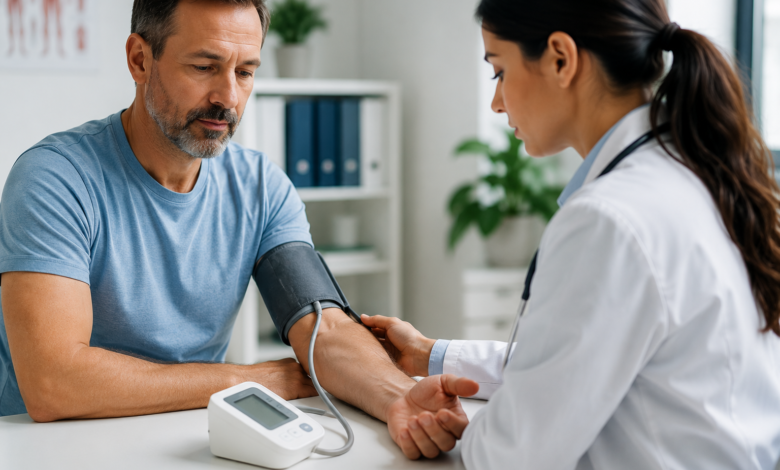
A healthcare provider measures blood pressure using a blood pressure monitor.
Because blood pressure changes throughout the day, diagnosis usually requires multiple readings taken on different occasions, and your healthcare provider may recommend home or ambulatory blood pressure monitoring.
Never diagnose yourself based on a single elevated reading.
How to Lower High Blood Pressure Naturally
Healthy lifestyle habits can help manage blood pressure and improve overall cardiovascular health.
Eat a Heart-Healthy Diet
Choose foods rich in:
- Fruits
- Vegetables
- Whole grains
- Beans
- Lean proteins
- Healthy fats
- Low-fat dairy
Limit foods high in sodium, added sugars, and saturated fats.
Exercise Regularly
Aim for at least 150 minutes of moderate-intensity physical activity each week, such as:
- Brisk walking
- Cycling
- Swimming
- Dancing
Maintain a Healthy Weight
Losing excess weight, when appropriate, can significantly improve blood pressure.
Reduce Sodium Intake
Many packaged and restaurant foods contain large amounts of salt.
Reading nutrition labels and preparing more meals at home can help reduce sodium intake.
Limit Alcohol
If you drink alcohol, do so in moderation according to your healthcare provider’s guidance.
Quit Smoking
Stopping smoking benefits your heart and blood vessels and lowers your overall cardiovascular risk.
Manage Stress
Healthy stress-management strategies include:
- Meditation
- Deep breathing
- Yoga
- Regular exercise
- Adequate sleep
- Spending time with family and friends
When Should You See a Doctor?
Schedule a medical evaluation if:
- Your blood pressure readings remain elevated on repeated measurements.
- You have risk factors for hypertension.
- You experience symptoms such as persistent headaches, vision changes, or dizziness.
Seek emergency medical care immediately if you have severe chest pain, severe shortness of breath, sudden weakness, difficulty speaking, confusion, or sudden vision loss.
Frequently Asked Questions
Can high blood pressure have no symptoms?
Yes. Most people with hypertension feel completely normal, which is why regular blood pressure screening is so important.
Is a headache always caused by high blood pressure?
No. Headaches have many causes. Although severe hypertension may sometimes contribute to headaches, most headaches are unrelated to blood pressure.
Can exercise lower blood pressure?
Yes. Regular physical activity is one of the most effective lifestyle strategies for supporting healthy blood pressure.
Can stress cause high blood pressure?
Stress can temporarily increase blood pressure and may contribute to unhealthy habits that raise long-term cardiovascular risk.
Can high blood pressure be prevented?
Many cases can be prevented or delayed by maintaining a healthy weight, eating a balanced diet, staying physically active, avoiding tobacco, and attending regular medical checkups.
Final Thoughts
The early warning signs of high blood pressure are often subtle—or completely absent—which is why hypertension is known as the silent killer. Rather than waiting for symptoms, regular blood pressure checks are the best way to detect problems early.
By combining healthy eating, regular exercise, stress management, and routine medical care, you can help protect your heart, brain, kidneys, and overall health. If you have concerns about your blood pressure or consistently elevated readings, consult a qualified healthcare professional for personalized evaluation and treatment.